Holidays to Famara
Famara in Lanzarote
Overview
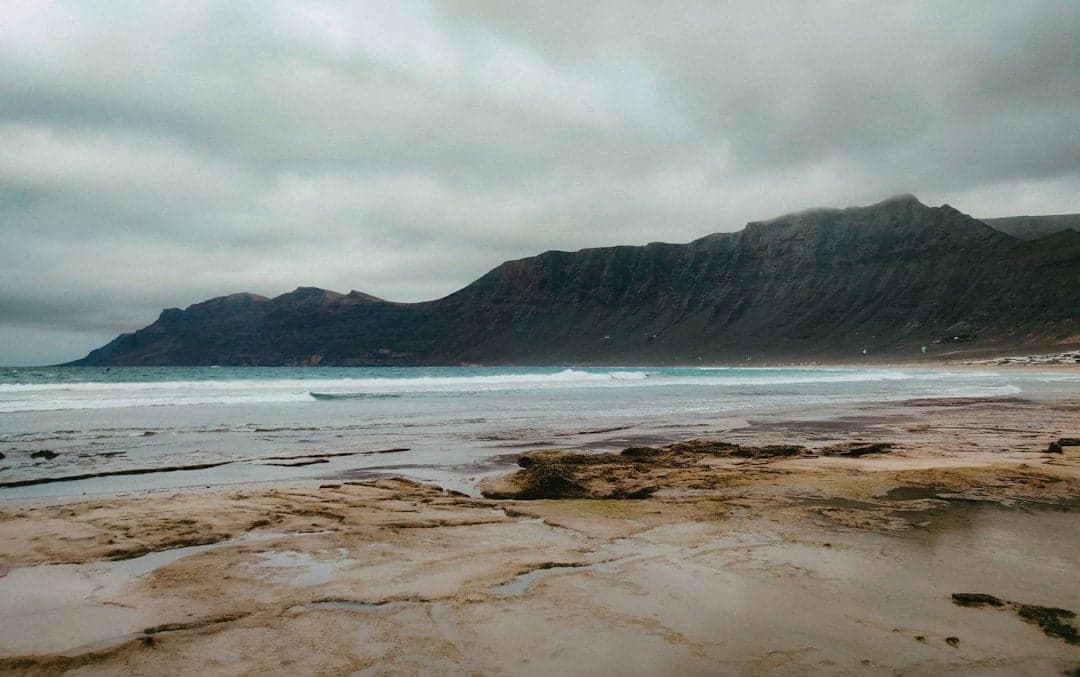
Famara is a small, raw village at the foot of the towering Risco de Famara cliffs on the northwest coast of Lanzarote, and one of the island's most powerfully atmospheric places. Unlike the polished resort towns of the east coast, Famara is genuinely off the beaten track: a collection of low buildings sheltering beneath the cliff face, an informal community of surfers, artists, and long-term residents, and a beach of wild, elemental beauty that stretches northward for kilometres towards the marshes of El Jable. The village has resisted development with impressive stubbornness and remains one of the few places on Lanzarote that feels entirely unchanged by mass tourism. The surf is powerful and consistent, the cliffs dramatic, and the light — particularly at dusk when the last sun catches the 600-metre rock face — is extraordinary.
Beaches & nature
Playa de Famara is the defining natural feature of the northwest coast — a broad, kilometre-wide expanse of dark sand stretching for over 6 kilometres from the village to the tip of the peninsula opposite Isla de La Graciosa. The beach is never crowded and has a raw, untamed beauty entirely different from the resort beaches elsewhere on the island. The Atlantic swell breaks consistently here, producing waves that range from gentle rolling rollers on calmer days to powerful, overhead breaks that attract experienced surfers. The cliffs of Risco de Famara rise directly behind the beach to over 600 metres, forming one of the most dramatic coastal panoramas in the Canary Islands. The view from the top of the cliffs — accessible via a trail from the village of Haría — takes in the beach, the saltpan isthmus of El Jable, the island of La Graciosa, and, on clear days, the outline of Lanzarote's volcanic mountains.
Things to do
Surfing is the primary activity and the reason most visitors come to Famara. Several surf schools operate in or near the village, offering lessons for all levels on the consistent beach breaks. The waves here are more forgiving than at El Cotillo on Fuerteventura, making Famara an excellent choice for beginners and intermediate surfers. Long walks along the beach in either direction offer solitude and natural beauty in equal measure. The wetlands and salt pans at the northern end of the beach are excellent for birdwatching, particularly during migration periods. The village of Haría in the valley behind the cliffs is one of Lanzarote's most charming traditional towns, with a weekly market and the feel of an inland Canarian village untouched by coastal tourism.
Eating & nightlife
Famara has a small but characterful selection of restaurants and bars. The village's handful of eateries reflect its surf-and-sand identity: good coffee, simple but fresh food, and an atmosphere of unhurried informality. Fresh fish — usually whatever the local boats have brought in — and grilled meats are the staples. One or two of the restaurants have developed a reputation for quality that draws visitors from across the island, not just surfers staying locally. Nightlife is essentially non-existent in the conventional sense; this is a place where evenings end early and begin the next morning with the surf report. For a wider range of dining and entertainment options, the short drive to Arrecife or Costa Teguise is straightforward.
Getting around
Famara is approximately 18 kilometres from Arrecife and around 25 kilometres from Lanzarote Airport (ACE). Public bus services to the village are very limited and not suitable as a primary means of transport; a hire car is essentially essential for staying here. The road to Famara from the main inland highway descends through increasingly dramatic scenery and requires a degree of confidence, though it is perfectly manageable in a standard hire car. The village itself is tiny and entirely walkable. Surfboards, wetsuits, and other equipment are available for hire in the village, making it practical to arrive light and gear up on arrival.
When to go
Famara is at its best from autumn through spring, when Atlantic swells are most consistent and powerful. The best surf typically arrives between October and April, when low-pressure systems in the North Atlantic send long-period swells to the northwest coast. Summer brings lighter, more variable winds and smaller waves, though the beach is still beautiful and the cliff scenery unchanged. The village is popular year-round with a dedicated community of resident surfers; peak summer brings more day-trippers from the resort towns, but even then the beach is rarely busy. The microclimate at the foot of the cliffs can produce local cloud and haze that is absent elsewhere on the island — part of its character, and quickly accepted by those who come for the surf.
Nearby destinations
Costa Teguise
Arrecife
Puerto del Carmen
Nightly minimum from a sample 2-night stay for 2 adults, booked about three weeks ahead. Search your dates for the bookable price.
Most popular hotels in Lanzarote
Our favourite hotels in Lanzarote