Holidays to Costa Teguise
Costa Teguise in Lanzarote
Overview
Costa Teguise is the most traditional of Lanzarote's three main resort areas — built with a more characterful, village-like layout than many Canarian developments of the same era. Conceived in the 1970s as a planned tourist town with the direct involvement of the island's visionary artist César Manrique, it is characterised by whitewashed buildings with dark volcanic stone trim, colourful bougainvillea, and open plazas that give it more architectural coherence than most comparable resorts. It is consistently popular with active visitors, particularly windsurfers and cyclists, and with families who prefer its slightly more low-key atmosphere to the busier Puerto del Carmen. The beaches are good, the promenade is pleasant, and the resort's proximity to the island capital, Arrecife, makes cultural day trips easy.
Beaches & nature
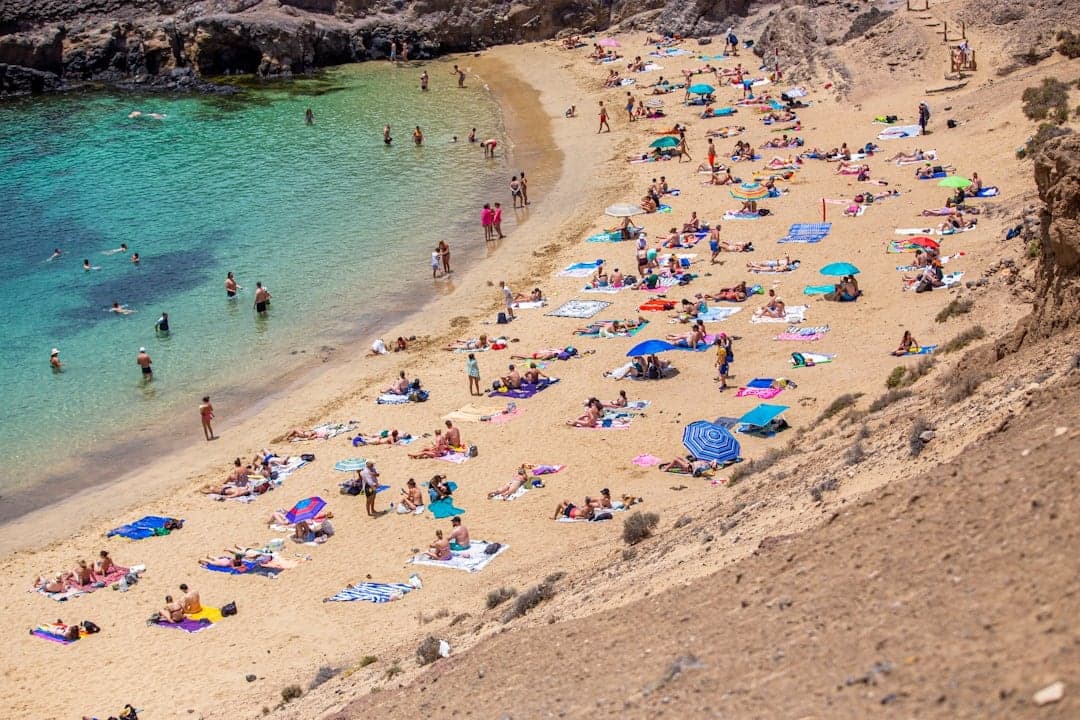
Costa Teguise has five beaches within or adjacent to the resort, ranging from sheltered family coves to more exposed stretches favoured by watersports enthusiasts. Playa de las Cucharas is the main beach and probably the best for windsurfing and kitesurfing in the entire Canary Islands — the consistent trade winds that funnel through this stretch of coast have made it an international competition venue. The sheltered bays of Playa de los Charcos and Playa del Jablillo are better for swimming, with calm, clear water and golden sand. The dramatic volcanic coastline extending north of the resort towards Jameos del Agua — one of Manrique's most celebrated works, built inside a spectacular lava tube — is extraordinary and worth exploring on foot or by hire car. The natural pools at Jameos del Agua support a unique species of blind albino crab found nowhere else in the world.
Things to do
The Aquapark Costa Teguise provides a full day's family entertainment, while the resort's network of cycle paths makes Costa Teguise particularly popular with cycling enthusiasts. The Lanzarote Golf course nearby is considered one of the best on the island. A visit to Jameos del Agua, just north of the resort, is an unmissable experience: the lava tube extends through an underground lake of sea water and emerges through a stunning concert auditorium and garden landscaped by Manrique. The nearby Cueva de los Verdes offers a further hour of guided exploration through Lanzarote's remarkable volcanic plumbing. The island capital Arrecife is just 10 kilometres south and easily visited for shopping, cultural exploration, and authentic local dining. The old village of Teguise, a beautifully preserved historic town in the island's interior, hosts a famous Sunday market.
Eating & nightlife
The resort's central commercial area, Las Maretas, offers the widest range of restaurants and bars, covering everything from Canarian tapas to sushi, pizza, and steakhouses. The resort's beach promenade is lined with restaurants and cafés that provide a more relaxed alternative. Local Canarian fish and wine — particularly the distinctive wines produced from Malvasía grapes grown in volcanic ash — are well worth seeking out. The Pueblo Marinero complex near the main beach is a Manrique-designed shopping and restaurant development that gives an early evening stroll around the resort a particularly attractive backdrop. Nightlife is livelier than at the smaller resort towns but more restrained than at Puerto del Carmen; the emphasis is on cocktail bars and live-music venues rather than nightclubs.
Getting around
Costa Teguise is 10 kilometres north of Lanzarote Airport (ACE) and just 8 kilometres from the capital Arrecife. Regular bus services connect the resort to the airport, the capital, and Puerto del Carmen. The resort is flat, compact, and well-laid out for cycling and walking. The network of dedicated cycle paths extends beyond the resort into the surrounding countryside. Car hire is recommended for visiting Timanfaya National Park, the northern attractions, and for exploring the island's remarkable volcanic interior.
When to go
Costa Teguise shares Lanzarote's near-perfect climate: over 3,000 hours of sunshine annually, with temperatures rarely above 30°C in summer or below 17°C in winter. The trade winds that make the beaches so good for watersports are strongest from late spring through early autumn, which is also the best time for wind-dependent activities. Winter is peak season for visitors seeking warmth, and the relatively dry, clear days make it excellent for cycling and hiking. Spring and autumn represent the best balance for those wanting both beach time and active exploration.
Nearby destinations
Arrecife
Famara
Puerto del Carmen
Nightly minimum from a sample 2-night stay for 2 adults, booked about three weeks ahead. Search your dates for the bookable price.
Most popular hotels in Lanzarote
Our favourite hotels in Lanzarote