Holidays to El Cotillo
El Cotillo in Fuerteventura
Overview
El Cotillo is an authentic fishing village on the wild northwestern coast of Fuerteventura, and one of the island's most appealing spots for visitors who want something beyond the well-trodden resort trail. The village has resisted the full force of mass tourism development and retains the character of a working community: fishing boats on the beach, cats on warm walls, and old men playing dominoes in the shade of the harbour bar. In recent years it has attracted a significant community of surfers, digital nomads, and travellers in search of a slower pace, yet the infrastructure remains pleasantly understated. The combination of a volcanic tower fort, dramatic cliff scenery, world-class surf breaks, and a string of tranquil turquoise lagoons within walking distance of the village centre makes El Cotillo unlike anywhere else on the island.
Beaches & nature
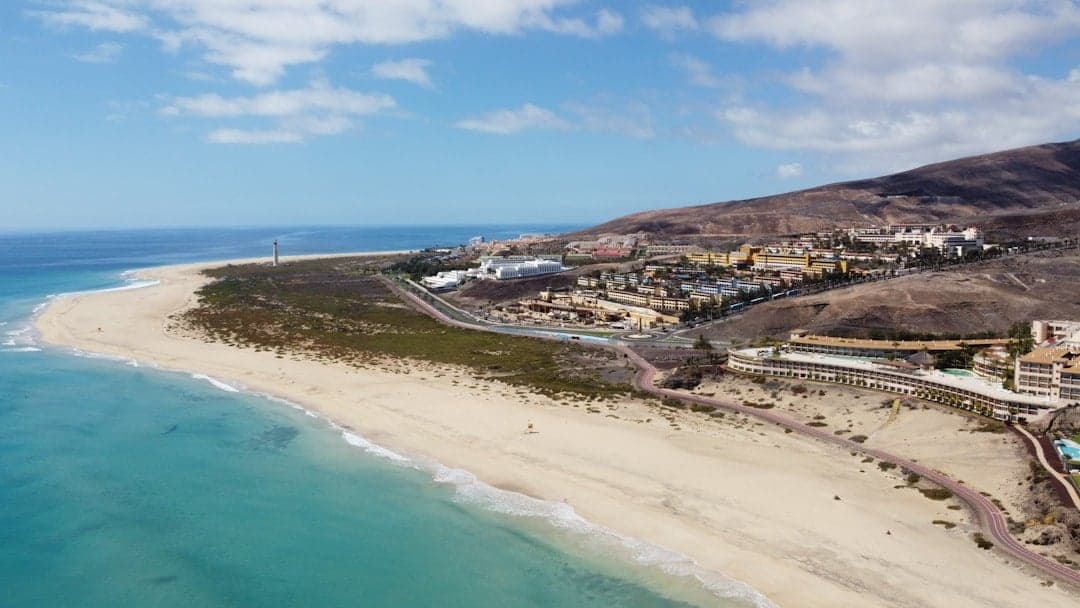
El Cotillo offers two distinct beach experiences within easy walking distance of each other. To the north of the village, a series of natural lagoons formed by a protective reef create shallow, calm, brilliantly turquoise pools that are ideal for families and non-surfers; the white sand is pristine and crowds are minimal even in summer. To the south, the Playa del Castillo is a broad, exposed Atlantic beach backed by low dunes where serious surf breaks. The powerful swells that arrive consistently from the northwest have made El Cotillo famous on the surfing circuit; the beach receives waves that work across all tidal stages and attract surfers from across Europe. The Torre del Tostón, a 17th-century defensive tower at the edge of the village, has been restored and opened as a small museum, and the views from its roof over the coastline are superb. The landscape north of El Cotillo — ochre volcanic plains meeting a jagged black lava coastline — is strikingly beautiful.
Things to do
Surfing dominates the activity calendar here, and several schools and board-rental shops operate in and around the village. Beginners can take lessons on the more manageable breaks to the south; experienced surfers head directly to the powerful northern point breaks. The lagoon beaches are excellent for swimming and snorkelling, with visibility in the calm water often extending to 15 metres or more. The village has a small but characterful old quarter centred on the harbour and the torre, worth an hour's wander. Fishing trips can be arranged with local boat owners. The nearby village of Lajares, a 15-minute drive inland, has become known for its craft shops, yoga studios, and the excellent weekly craft market. A longer day trip to Corralejo, half an hour to the northeast, opens up the island's largest resort infrastructure.
Eating & nightlife
El Cotillo has a small but rewarding collection of restaurants and bars, most clustered around the harbour. The seafood is exceptional by any measure: this is a real fishing village, and the catch changes daily according to what the boats bring in. Look for lapas (limpets) grilled with butter and garlic, fresh atún (tuna) steaks, and whole grilled dorada. A handful of surf-oriented cafés have sprung up in recent years, offering good coffee, acai bowls, and brunch menus that sit comfortably alongside the traditional Canarian eateries. Nightlife is low-key: a few bars with live music at weekends and an easy, unhurried atmosphere that suits the village perfectly. Those looking for a wider choice of restaurants should make the short drive to Corralejo.
Getting around
El Cotillo is roughly 35 kilometres northwest of Fuerteventura Airport (FUE) — about 35 minutes by car. A local bus service connects the village to Corralejo several times daily, but the timetable is limited and services are infrequent. A hire car is strongly recommended; the village itself is walkable, but getting to the northern lagoon beaches and exploring the surrounding volcanic landscape is much easier with your own transport. Parking near the harbour and the lagoon beach access points is free and usually available except during the busiest summer weeks. There is no taxi rank in the village, but taxis can be called by phone or through accommodation.
When to go
El Cotillo is primarily a spring and autumn destination for those who want the best surfing and beach conditions simultaneously. Winter (November to February) brings the most powerful surf and attracts serious surfers from across Europe. Summer is hot and busy, and while the lagoon beaches are at their most beautiful in the warm light of July and August, the exposed Atlantic beach can be challenging when the trade winds are strong. For the most comfortable all-round experience — warm swimming water, reasonable swell for surfers, and lower visitor numbers — May, June, September, and October represent the sweet spot. The village can feel quite quiet outside peak summer and Christmas periods, which is precisely its charm.
Nearby destinations
Corralejo
Puerto del Rosario
Caleta de Fuste
Nightly minimum from a sample 2-night stay for 2 adults, booked about three weeks ahead. Search your dates for the bookable price.
Most popular hotels in Fuerteventura
Our favourite hotels in Fuerteventura