Holidays to Santa Cruz de La Palma
Santa Cruz de La Palma in La Palma
Overview
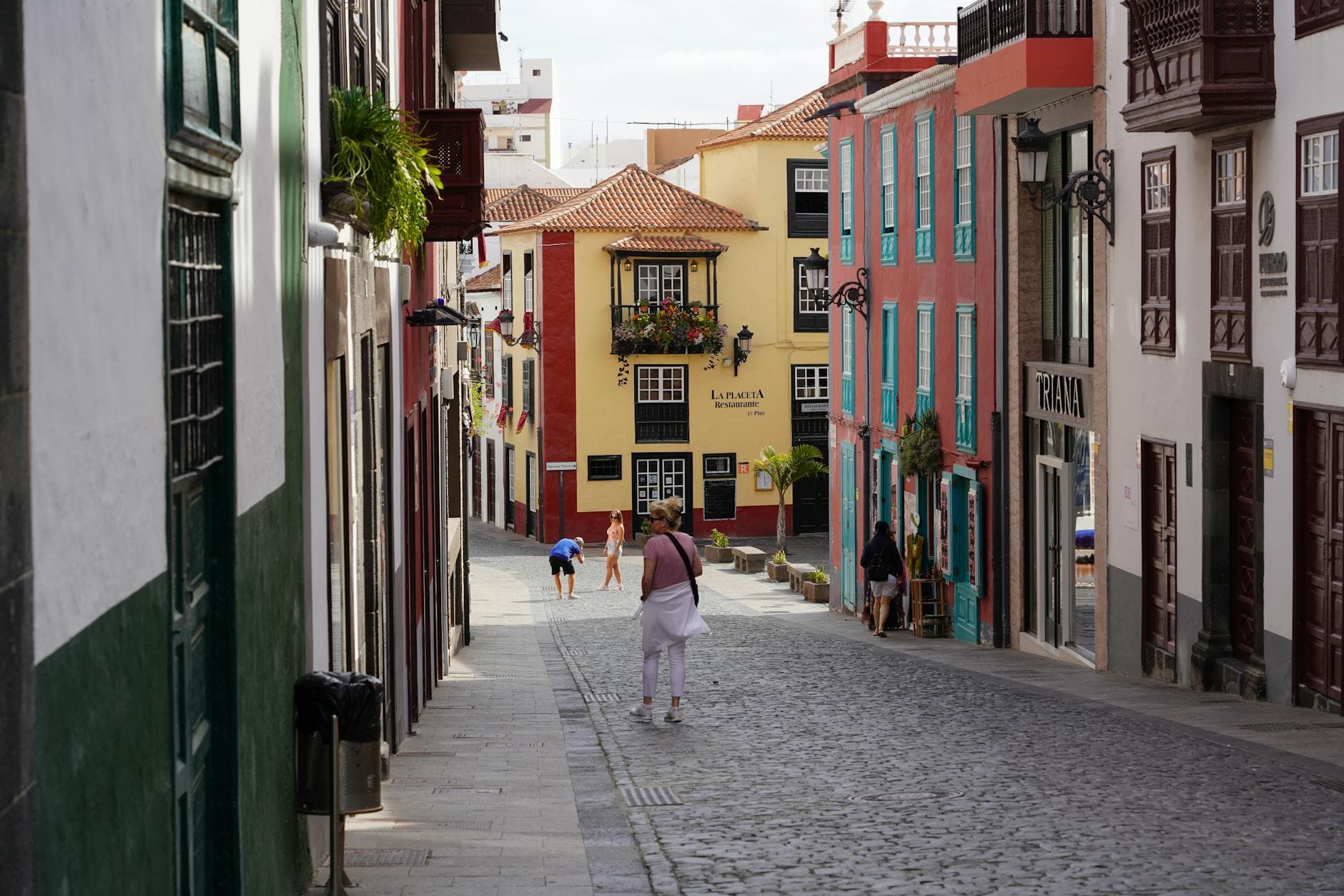
Santa Cruz de La Palma is the island capital of La Palma and one of the finest examples of preserved colonial architecture in the Canary Islands. Nestled between the dramatic volcanic cliffs of the Caldera de Taburiente and the Atlantic Ocean, the city was once one of the most important ports in the Spanish Empire — a staging post on the route between Spain and the Americas, wealthy from trade in sugar, silk, and later wine. This prosperity left behind a remarkable legacy of Renaissance and Baroque architecture: the handsome 16th-century church of El Salvador, a magnificent town hall fronted by a façade of carved stone, and a waterfront (Avenida Marítima) lined with painted wooden balconies (balcones canaarios) that is considered one of the most beautiful urban streetscapes in the entire archipelago. Today the city is a living, working Canarian community of around 14,000 people, with a genuine cultural life that includes an outstanding Carnival in February and a museum of remarkable quality.
Beaches & nature
Santa Cruz de La Palma has a small city beach of black volcanic sand near the harbour, the Playa de Santa Cruz, which is clean and pleasant for a swim but modest in scale. The city's real natural drama lies in its setting: the volcanic caldera walls rise directly above the western edge of the city, the forest begins within a short walk, and the coast to the north and south offers dramatic volcanic scenery. The best beaches on the island — at Los Cancajos and Puerto Naos — are accessible by bus or hire car in under 30 minutes.
Things to do
The Avenida Marítima is the centrepiece of any visit: a kilometre-long promenade of painted wooden-balconied buildings facing the sea, best explored on foot at a leisurely pace, stopping to admire the architectural details and the street art incorporated into the buildings. The Castillo de Santa Catalina guards the harbour mouth and is open to visitors. The Insular Museum (Museo Insular) in the old convent of San Francisco houses an excellent collection covering La Palma's archaeology, natural history, and art. The Iglesia del Salvador (Church of El Salvador), begun in 1488, is architecturally outstanding, with a carved stone portal of Isabelline Gothic quality. The city is also the departure point for hikes into the Caldera de Taburiente National Park, and the ferry connections from the port serve the other Canary Islands.
Eating & nightlife
The city offers a genuine local dining experience that is entirely distinct from resort tourism. The streets around the old town and the market are lined with tapas bars and traditional restaurants where the clientele is primarily Palmero residents. Local specialities include fresh fish from the harbour, almogrote (a spiced cheese paste spread on bread), and local wines from the volcanic vineyards. The city's cultural life ensures a year-round events programme of concerts, festivals, and exhibitions. The Carnival of Santa Cruz de La Palma (February/March) is one of the most celebrated in the Canary Islands — the famous Los Indianos parade, on the Monday of Carnival, sees thousands of participants dressed in white and dusted with talcum powder in a unique historical re-enactment.
Getting around
La Palma Airport (SPC) is 8 kilometres south of the city, directly adjacent to Los Cancajos. A regular bus service connects the airport, Los Cancajos, and the city centre. Car hire is available at the airport and is recommended for exploring the island. The city centre is entirely walkable. The ferry port connects Santa Cruz de La Palma with Tenerife, Gran Canaria, and other islands.
When to go
Santa Cruz de La Palma is a year-round destination. The city benefits from the east coast's drier climate, with more reliable sunshine than the wetter western coast. Winter is mild and cultural life is at its most active; the Carnival in February–March is an exceptional reason to visit. Spring and summer are the best beach months for the nearby resorts. Autumn can bring occasional Atlantic fronts, but temperatures remain comfortable throughout.
Nearby destinations
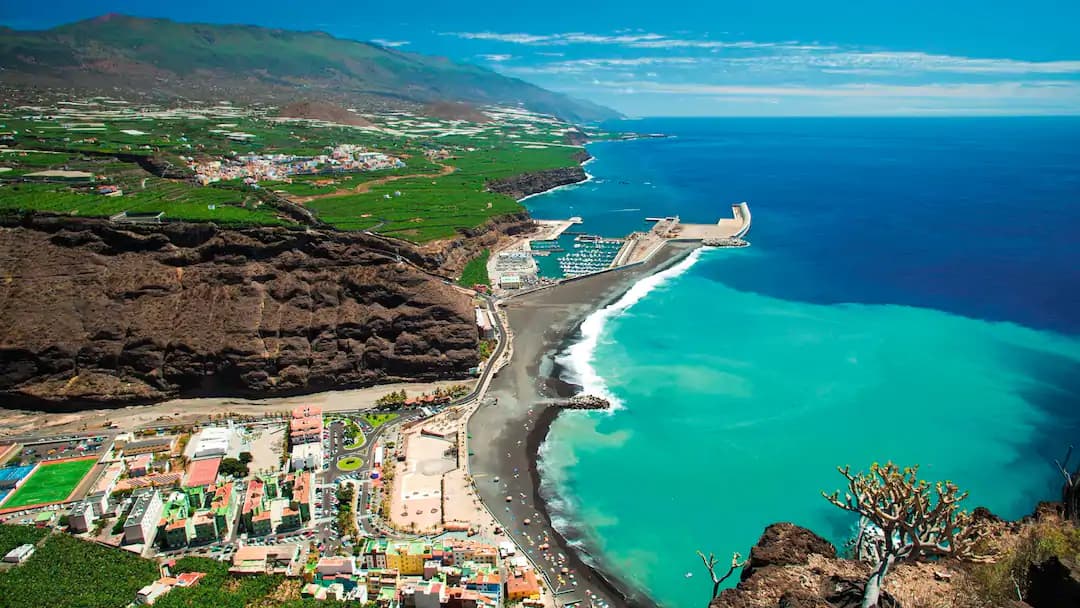
Los Cancajos
Los Llanos de Aridane
Tazacorte
Nightly minimum from a sample 2-night stay for 2 adults, booked about three weeks ahead. Search your dates for the bookable price.
Most popular hotels in La Palma
Our favourite hotels in La Palma