Holidays to Los Llanos de Aridane
Los Llanos de Aridane in La Palma
Overview
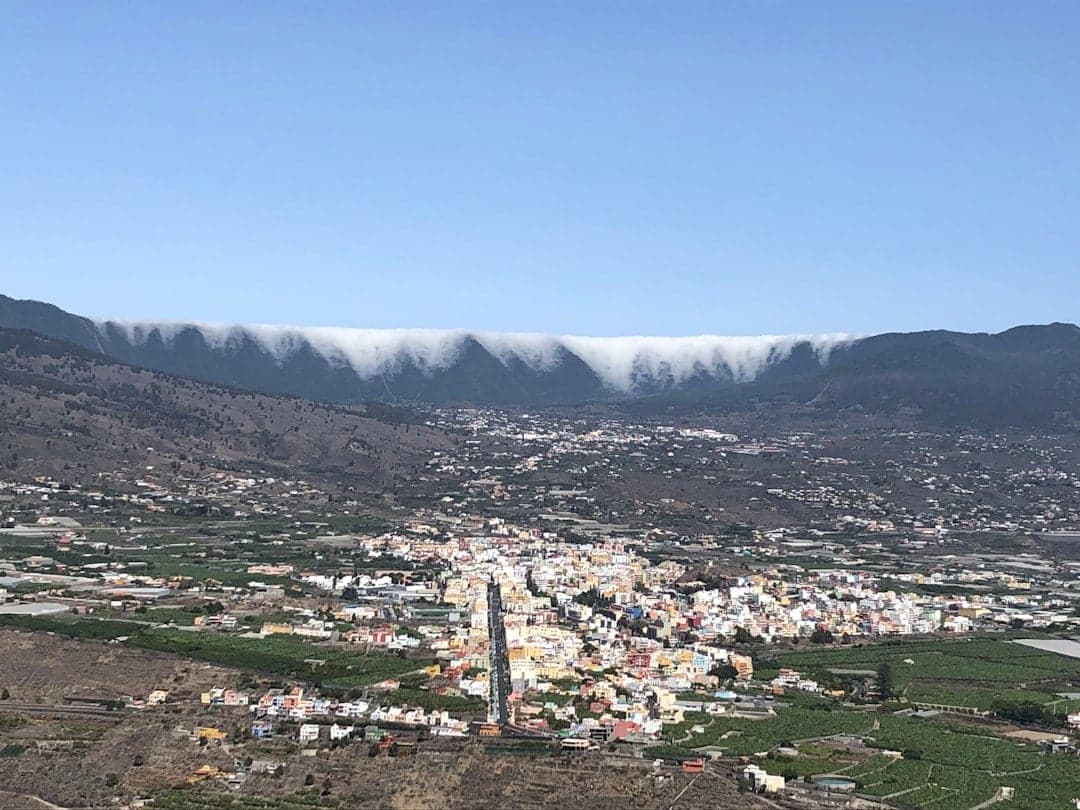
Los Llanos de Aridane is the commercial capital and largest city of La Palma, though "city" is perhaps too grand a word for what is essentially a large town of around 22,000 inhabitants occupying the flat agricultural plain of the Aridane Valley on the island's western coast. Surrounded by banana plantations, avocado groves, and the steeply rising volcanic mountains of the island's central ridge, it is a thoroughly working Canarian town — commercial, practical, and largely untouched by tourism — and all the more interesting for it. The town has a pleasant historic centre with a handsome church plaza and colonial-era architecture, and it serves as the main shopping and services hub for the entire western side of the island. For visitors who want to experience genuine Canarian life rather than resort tourism, and who want a base within striking distance of La Palma's most spectacular natural attractions, Los Llanos is an excellent choice.
Beaches & nature
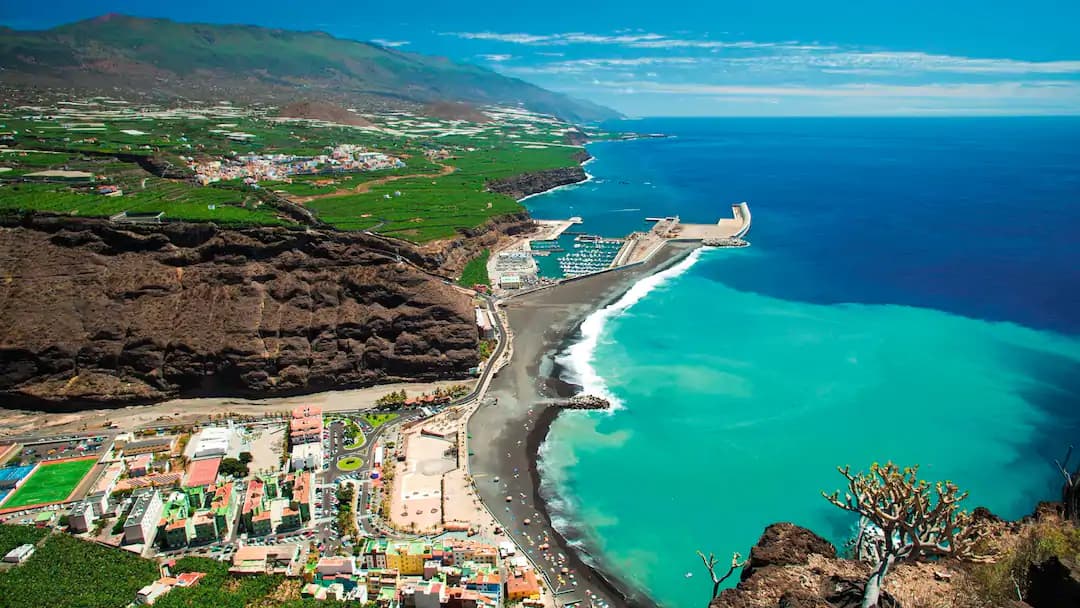
Los Llanos de Aridane is not a coastal town — it sits several kilometres inland from the sea — but the nearby black-sand beach at Puerto Naos (about 10 minutes by car) is La Palma's most popular beach resort and provides an easy base for beach days. The valley surrounding the town is one of the most productive agricultural landscapes in the Canary Islands, and the sight of banana plantations extending from the volcanic slopes down to the sea is one of La Palma's characteristic images. The Caldera de Taburiente National Park — one of the largest volcanic craters in the world — is accessible from the valley road in around 30 minutes and offers exceptional hiking through pine forests, river gorges, and dramatic volcanic scenery.
Things to do
The historic centre of Los Llanos rewards a morning's wander: the Plaza de España, with its enormous laurel trees (ficus) that create a natural cathedral of shade, is one of the most pleasant town squares in the Canary Islands; the Iglesia de Nuestra Señora de los Remedios (16th century) beside it is architecturally impressive. The local market on Saturdays is the best place to find La Palma's exceptional agricultural produce: artisan cheeses, papas bonitas (local potatoes with natural flavour unlike any others), fresh tropical fruits, and local honey. The excellent La Palma road network makes day trips to the volcanic crater, the star-gazing observatories on the summit ridge, the southern lava fields, and the eastern beaches all straightforward. The Llanos de Aridane Museum documents the valley's history and the devastating volcanic eruption of 2021, which significantly affected the western side of the island.
Eating & nightlife
Los Llanos has the most varied restaurant scene on the western side of La Palma, reflecting its role as the island's commercial centre. Canarian tapas bars, family restaurants serving traditional island cooking, and a small number of international options cover most bases. The local gastronomy is particularly good here: fresh fish from the nearby port, local cheeses, papas bonitas with mojo, and excellent local wines from the volcanic slopes are the highlights. The town has a genuine local nightlife scene — bars and music venues in the streets around the plaza that attract a mixed local and visitor crowd — making it more animated in the evenings than the island's beach resorts.
Getting around
La Palma Airport (SPC) is approximately 20 kilometres north of Los Llanos — a 25-minute drive on the island's main road. Regular bus services connect the town to the airport, to Santa Cruz de La Palma, and to other parts of the island. Car hire is strongly recommended for exploring La Palma independently; the town is a good base for circular tours of the island. The road network is excellent, though the mountain roads require confidence and care. A local bus service connects Los Llanos to nearby Puerto Naos several times a day.
When to go
The Aridane Valley has a micro-climate that is notably warmer and drier than the eastern coast or the high mountains. The valley floor, sheltered from the northeast trade winds by the central ridge, experiences some of the warmest temperatures on the island. Summer is hot (30°C or above on the hottest days) but evenings are cool and pleasant. Winter is mild and largely dry. The western coast faces the effects of the prevailing winds less directly than the east, making it a pleasant year-round base. Spring and autumn are ideal for exploring the hiking trails, with the Caldera de Taburiente at its most spectacular when the wildflowers are in bloom.
Nearby destinations
Tazacorte
Puerto Naos
Santa Cruz de La Palma
Nightly minimum from a sample 2-night stay for 2 adults, booked about three weeks ahead. Search your dates for the bookable price.
Most popular hotels in La Palma
Our favourite hotels in La Palma