Holidays to Hermigua
Hermigua in La Gomera
Overview
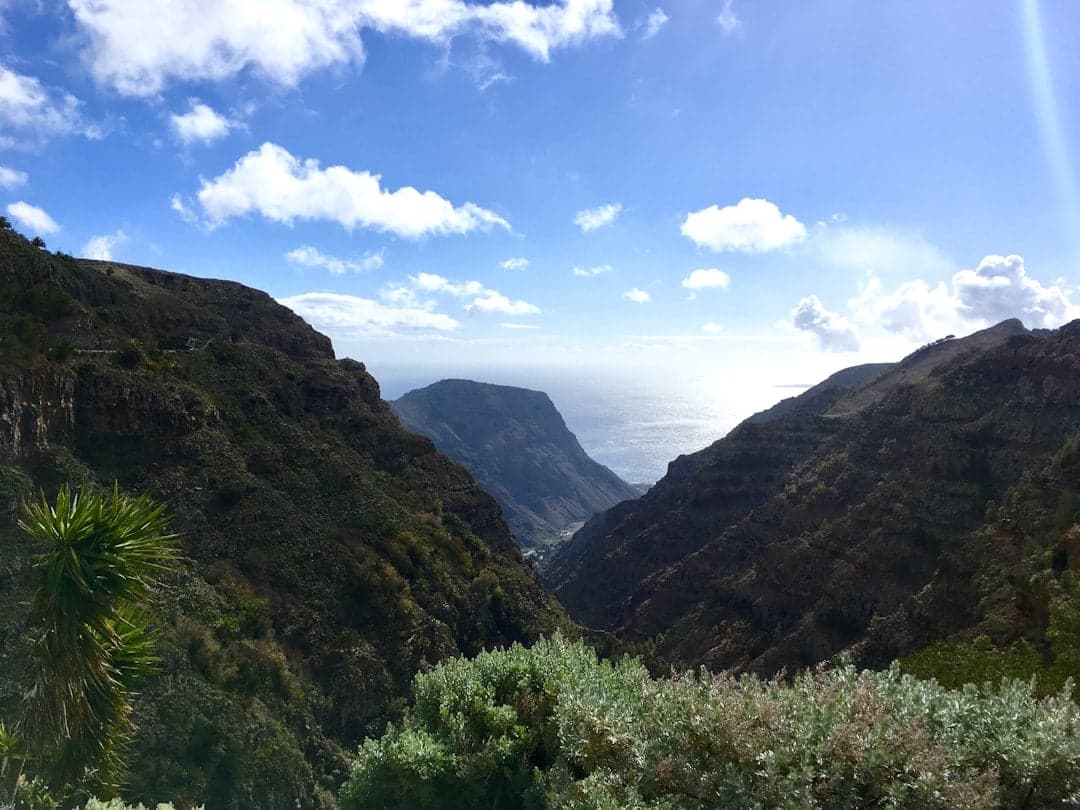
Hermigua is the most northerly and perhaps the most spectacularly situated of La Gomera's main valleys, a deep ravine cutting from the island's central highlands to the sea, its steep sides terraced with banana plantations and draped with the lush subtropical vegetation that makes this small island one of the greenest in the Canary Islands. The valley contains a string of small villages under the collective name Hermigua, of which the central settlement — centred on the Plaza de la Constitución with its handsome church — is the most important. The valley has been farmed continuously for centuries, and the layered agricultural landscape, with banana terraces extending from the water to several hundred metres altitude, is one of the most visually arresting anywhere in the archipelago. Hermigua retains a deeply authentic Gomeran character: unhurried, agriculturally oriented, and largely untouched by the tourist infrastructure of the island's south coast.
Beaches & nature
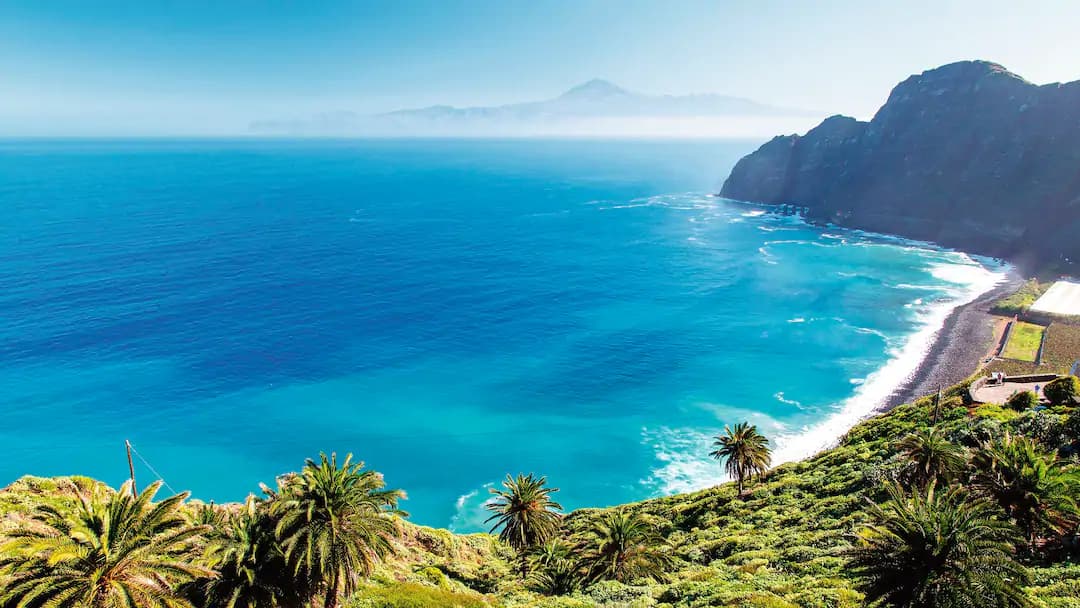
The black volcanic beach at the mouth of the Hermigua valley — Playa de Hermigua — is raw and elemental: a wide expanse of dark sand backed by dramatic cliffs, with a powerful Atlantic swell that makes it unsuitable for swimming on most days but extraordinarily impressive to watch. The valley behind the beach is lush and green, threaded by hiking trails that rise steeply through banana plantations and into the subtropical forest (laurisilva) of the Garajonay National Park, a UNESCO World Heritage Site whose ancient forest of laurels, tree heathers, and tree ferns is a living remnant of the vegetation that once covered the entire Mediterranean basin during the Tertiary period. The valley walls are dramatic, with exposed volcanic dykes and rock formations carved by millions of years of erosion.
Things to do
Hiking is the primary activity in Hermigua, and the valley provides access to some of La Gomera's finest trails. The path up the valley into the Garajonay forest is exceptionally beautiful — rising from banana terraces through laurel woodland with views back down to the sea becoming increasingly dramatic. The Los Telares ethnographic park in the upper part of the valley is a living museum of traditional Gomeran crafts, particularly the weaving of textiles using traditional looms; demonstrations are given and products are for sale. The working banana plantations that line the valley can be visited, providing fascinating insight into the agricultural backbone of the island's economy. The route from Hermigua along the northern coastal path to Agulo — one of the most picturesque villages in the entire Canary Islands — is an outstanding half-day walk.
Eating & nightlife
Hermigua has a small number of traditional restaurants and bars reflecting the agricultural character of the valley. Local Gomeran cooking is the focus: fresh fish from the nearby coast, roasted meats, local cheeses, and the island's distinctive palm honey (miel de palma), made from the sap of the Canarian date palm and used extensively in local cooking and as a condiment. The almogrote — a pungent spiced cheese paste unique to La Gomera — is the island's most famous culinary export and should be tried here in its home valley. Evening entertainment is minimal; Hermigua is a farming valley and the rhythm of life is agricultural. For a wider choice of restaurants, the capital San Sebastián de La Gomera is around 30 minutes by car.
Getting around
Hermigua is approximately 28 kilometres north of the island capital San Sebastián de La Gomera on the island's well-maintained coastal road. Regular bus services connect the valley to the capital and to Valle Gran Rey on the west coast. Car hire — available at the ferry port — is recommended for exploring the island freely, as the bus timetables can limit flexibility. The road into and through the Hermigua valley is winding and narrow in places; normal hire cars manage it without difficulty, but confidence on mountain roads is helpful.
When to go
Hermigua and the north of La Gomera experience more rain and cloud than the south, as the valley faces the northeast trade winds directly and the mountains force moisture-laden air to rise and condense. Spring and early summer are the finest seasons: lush vegetation, warm temperatures, and the banana plantations at their most productive. Winter brings rain but also dramatic atmosphere — mist swirling through the laurel forest above the valley is unforgettably beautiful. Summer is warm and relatively dry; the trade winds keep temperatures moderate. The Garajonay forest is beautiful in any season.
Nearby destinations
San Sebastián de La Gomera
Valle Gran Rey
Playa de Santiago
Nightly minimum from a sample 2-night stay for 2 adults, booked about three weeks ahead. Search your dates for the bookable price.
Most popular hotels in La Gomera
Our favourite hotels in La Gomera