Holidays to Arucas
Arucas in Gran Canaria
Overview
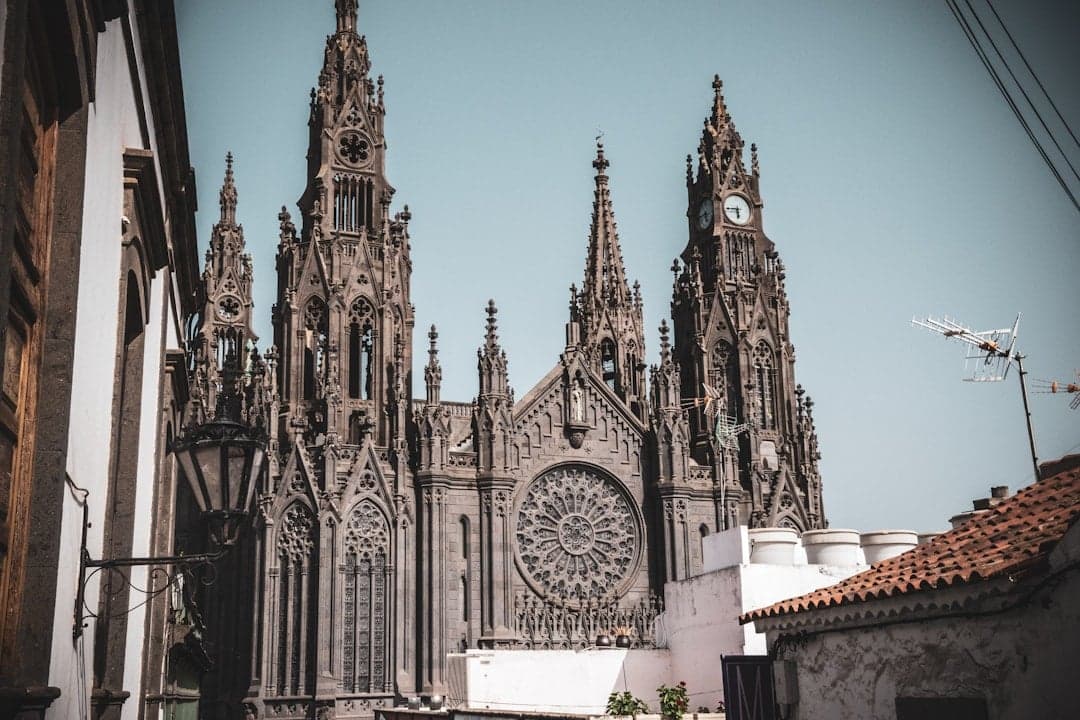
Arucas is the third-largest town on Gran Canaria and one of the most rewarding day-trip and touring bases in the island's green north, set among banana plantations about 17 kilometres west of Las Palmas de Gran Canaria. Its skyline is dominated by the extraordinary Iglesia de San Juan Bautista — universally known as the "cathedral" of Arucas — a neo-Gothic church carved from the local blue-grey volcanic stone by generations of the town's famous stonemasons between 1909 and 1977. Around it spreads a beautifully preserved historic centre of colonial-era streets, flower-filled plazas, and handsome stone façades that has been declared a site of cultural interest. Arucas is also the home of Arehucas rum, distilled here since 1884, making the town a fixture on any cultural itinerary of the Canary Islands.
Beaches & nature
Although the town centre sits a little inland, the municipality reaches the Atlantic at the coastal district of Bañaderos–El Puertillo, where a small dark-sand beach is backed by a string of natural swimming pools. The Los Charcones rock pools are the highlight: volcanic basins refreshed by every tide, sheltered enough for families when the ocean beyond is rough. Behind the coast, the landscape rises through some of the most productive farmland in the Canaries — banana plantations first planted in the nineteenth century still wrap around the town. The Montaña de Arucas, the volcanic cone rising directly above the historic centre, has a mirador at its summit with a sweeping panorama across the north coast to Las Palmas and, on clear days, to the central peaks. The Jardín de la Marquesa, a romantic nineteenth-century botanical garden on the edge of town, gathers more than 500 subtropical species beneath towering palms and dragon trees.
Things to do
The essential visit is the Arehucas distillery, one of Europe's oldest rum cellars, where guided tours wander among thousands of oak barrels — many signed by visiting artists and dignitaries — and end with a tasting of the rums and banana liqueurs. Allow time afterwards for the church of San Juan Bautista, whose stained glass and soaring stone vaults are remarkable for a building financed and built by the townspeople themselves. The old town rewards slow exploration: the Plaza de la Constitución, the modernist Heredad de Aguas building of 1908 (headquarters of the historic water-rights institution that irrigated the banana boom), the municipal park with its Canarian flora, and workshops keeping the stone-carving tradition alive. Drive or walk up the Montaña de Arucas for the viewpoint, and combine Arucas with the neighbouring north-coast towns — the market town of Teror and the clifftop viewpoints towards Agaete make a classic touring circuit.
Eating & nightlife
Arucas is a proper Canarian working town, and its restaurants cook for locals first: expect generous menús del día, grilled meats and fresh fish, ropa vieja, potaje de berros (watercress stew), and wrinkled papas arrugadas with mojo sauces. The streets around the church and the Plaza de la Constitución hold traditional tascas and pavement cafés that fill up at weekend lunchtimes, while the coastal district of El Puertillo has simple seafront fish restaurants where the catch comes straight from the bay. Local Arehucas rum finishes most meals here — try the ron miel (honey rum) — and the town's pastry shops are known for their bizcochos and other traditional sweets. Nightlife is low-key and local: a handful of bars around the old town rather than clubs. For a bigger evening scene, Las Palmas is under half an hour away. The town's calendar peaks with the Fiestas de San Juan in June, when midsummer celebrations fill the plazas with music and fireworks.
Getting around
Arucas is approximately 35 kilometres from Gran Canaria Airport (LPA), a drive of around 30 minutes on the GC-2 north coast motorway and the GC-20. Frequent Global buses connect the town with Las Palmas de Gran Canaria in about 30 minutes, making a car-free day trip from the capital straightforward. The compact historic centre is best explored on foot — most sights, including the distillery, are within a ten-minute walk of the church. A car is useful for reaching the Montaña de Arucas viewpoint, the coastal pools at El Puertillo, and for combining Arucas with Teror, Firgas, and Agaete on a northern touring day.
When to go
Arucas shares the microclimate of Gran Canaria's north coast: noticeably greener, cooler, and cloudier than the resort south, especially in summer when the trade-wind cloud known locally as the panza de burro can sit over the coast while Maspalomas bakes in sunshine. Temperatures are mild year-round, and spring is particularly attractive, when the surrounding hillsides and the botanical garden are at their most lush. The town makes an excellent half-day or full-day excursion in any season — the distillery and church visit well in any weather. Visit in June for the Fiestas de San Juan, Arucas's biggest celebration, when bonfires and concerts mark midsummer around the old town.
Nearby destinations
Las Palmas de Gran Canaria
Agaete
Maspalomas
Nightly minimum from a sample 2-night stay for 2 adults, booked about three weeks ahead. Search your dates for the bookable price.
Most popular hotels in Gran Canaria
Our favourite hotels in Gran Canaria