Holidays to El Pinar
El Pinar in El Hierro
Overview
El Pinar is a small rural municipality in the southeastern corner of El Hierro, the smallest and most remote of the Canary Islands, named for the ancient Canarian pine forest (pinar) that covers much of the elevated terrain in this part of the island. The settlement is not a resort in any conventional sense — it is a farming and forestry community — but it provides a base for exploring one of the most unspoilt and rewarding corners of El Hierro: the southern coast, with its extraordinary volcanic landscape and the crystal-clear waters of the island's designation as the world's first Biosphere Reserve in 2000. El Hierro's commitment to 100% renewable energy (achieved in 2014) and its extraordinarily low population density (around 11,000 inhabitants on 268 square kilometres) make El Pinar and the surrounding area one of the most genuinely off-grid destinations in Europe.
Beaches & nature
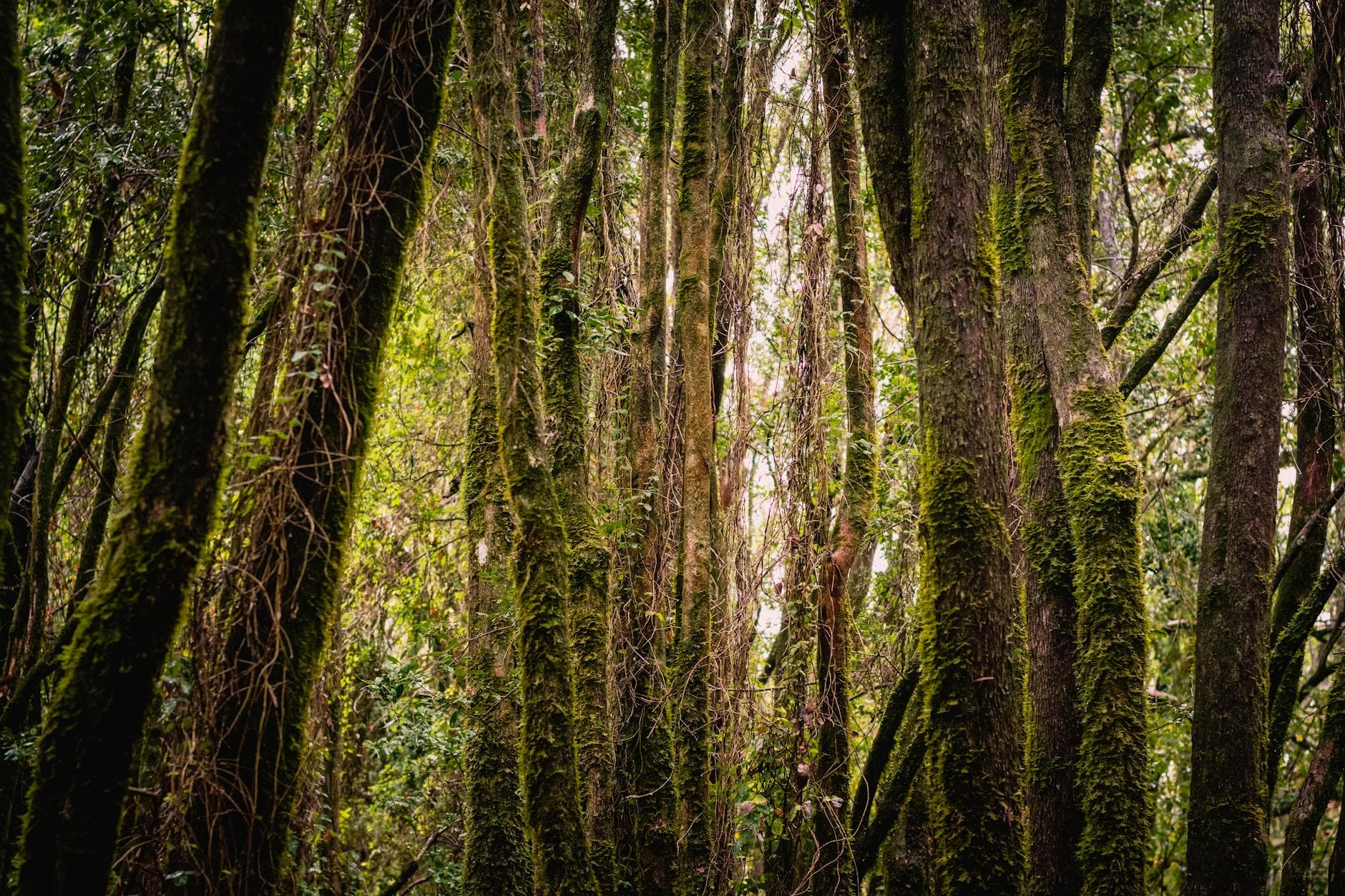
El Pinar is not a coastal destination; it sits in the elevated pine forest several kilometres from the sea. However, the southern coast near the municipality is among the most dramatic on the island: black lava cliffs and volcanic rock platforms extending to the Atlantic, with natural rock pools and diving sites of exceptional quality. The pine forest itself is the primary natural attraction — ancient Canarian pines (Pinus canariensis) of considerable size and age, draped in lichen and hosting a rich bird community that includes the endemic El Hierro giant lizard. The Mirador de Jinama offers extraordinary views down into the El Golfo valley, one of the most dramatic viewpoints in the entire archipelago. The surrounding countryside is ideal for extended hiking through landscapes largely unchanged by human activity.
Things to do
Hiking is the principal activity in the El Pinar area. The extensive network of traditional paths (caminos reales) that cross El Hierro connects El Pinar with the rest of the island's extraordinary landscape. The path down from the pine forest to the southern coast provides one of the most dramatic vertical descents on the island, passing through different vegetation zones from pine forest through scrubland to volcanic lava coast. Birdwatching in the pine forest is rewarding: the endemic El Hierro giant lizard can be observed here with patience, and the forest birds include endemic subspecies of chaffinch and chiffchaff. The rock pools of the southern coast offer excellent snorkelling; the water clarity in El Hierro's Marine Reserve is consistently exceptional — visibility of 40 metres or more is not unusual. The village of Isora nearby has a traditional Herreño character worth experiencing.
Eating & nightlife
El Pinar has very limited dining options — a couple of bars and a small restaurant serving traditional Herreño food. The island's gastronomy is based around simple, honest ingredients: fresh fish caught offshore, local cheeses made from goat's milk (queso herreño), local potatoes cooked with mojo, and the island's distinctive wine — El Hierro D.O. wines, produced from vines grown in the harsh volcanic soil of the southern slopes. The local wine is excellent and little-known outside the island. For a wider dining choice, the capital Valverde or the El Golfo valley are a short drive away.
Getting around
El Hierro Airport (VDE) is approximately 20 kilometres northwest of El Pinar — a 25-minute drive on the island's winding roads. Public bus services on El Hierro are limited and infrequent; a hire car is essential for exploring the island independently. The road through the pine forest and down to the southern coast is well-maintained but narrow and requires care. El Hierro is a small island (roughly 60km across at its widest) and all parts are reachable as day trips with a car. The ferry port at La Estaca provides connections to Tenerife.
When to go
El Pinar and the southern coast of El Hierro have a drier, warmer microclimate than the north of the island, which faces the trade winds more directly. Year-round mild temperatures and very low tourist numbers make this part of the island suitable in any month. Spring is particularly beautiful: the pine forest is alive with bird activity, wildflowers line the paths, and the dramatic landscape is at its most vivid. Diving and snorkelling are excellent year-round but particularly good in summer and early autumn when sea temperatures are warmest. The island's commitment to sustainable tourism means visitor numbers remain very low — one of El Pinar's most distinctive qualities.
Nearby destinations
La Restinga
Frontera
Valverde
Nightly minimum from a sample 2-night stay for 2 adults, booked about three weeks ahead. Search your dates for the bookable price.
Most popular hotels in El Hierro
Our favourite hotels in El Hierro